
hoa-architectural-approval-for-change
HOA Architectural Approval for Driveway Expansion or Resurfacing
Learn how to get HOA approval for driveway expansion or resurfacing with clear steps, requirements, and tips to ensure fast architectural approval
Schedule Demo
Reviewed by:

D. Goren
Head of Content
Updated Dec, 6

More Than Just Rules. A Community That Cares.
A single platform where homeowners submit requests, boards review them, and everyone sees the status without confusion or back-and-forth.
Schedule DemoDo You Need HOA Approval For Driveway Expansion or Resurfacing
Do You Need HOA Approval for Driveway Expansion or Resurfacing?
Most HOAs require approval for any driveway expansion because widening changes the property’s appearance, drainage, or lot coverage. HOAs review plans, materials, and location to ensure they match community standards. Expansion without approval can lead to fines or removal.
Resurfacing often depends on material change. If you simply recoat or repair the same surface, many HOAs allow it without approval. If you switch materials (for example, concrete to pavers) or alter color or texture, approval is usually required.
- Check your CC&Rs and architectural guidelines: These define what counts as structural or aesthetic change.
- Ask about permitted materials: Some HOAs limit colors or textures for uniformity.
- Confirm setbacks and drainage rules: Expansions cannot redirect water onto neighbors’ lots.
Common HOA Rules for Driveway Expansion or Resurfacing
Material Specifications
These rules set which construction or finish materials a homeowner may use for items like siding, roofing, fences, or exterior trim. HOAs apply them to keep a uniform look. Always check for approved materials, colors, and textures, plus any durability or safety standards, before starting exterior work.
Prohibited Surface Treatments
Rules limit what owners can apply to visible surfaces like driveways, walls, and patios. HOAs ban coatings that change color, glare, safety, or uniformity. If a product alters appearance, damages materials, creates runoff, or conflicts with local codes, the HOA may prohibit it. Always request written approval before applying any treatment.
Setback Requirements
Setback rules define how far a structure must sit from property lines, streets, or other buildings. HOAs use them to keep spacing, fire access, and neighborhood uniformity. Limits come from city codes first; HOAs can be stricter but not looser. Any change, like adding a shed or porch, usually needs approval confirming it stays inside these required distances.
Maximum Width Limitations
Maximum width limitations
HOAs may set structure or driveway width limits to keep a uniform look and protect drainage, access, and emergency clearance. Rules must be in recorded documents and applied equally. If a project exceeds limits, boards can allow variances when safety, codes, and neighbor impact stay acceptable.
Drainage Compliance
HOAs require owners to keep grading and gutters working so water flows to approved areas, preventing erosion or flooding. You may not block swales, reroute runoff, or add structures that push water onto neighbors. Reasonable access for inspections is allowed, but repairs on your land are your choice unless CC&Rs say otherwise.
Key points
- Allowed changes: Small landscaping that doesn’t alter water flow.
- Owner duties: Keep drains clear; report pooling.
- HOA limits: Can’t force upgrades beyond baseline rules.
Aesthetic Consistency
Aesthetic consistency means the HOA aims to keep homes looking visually unified so the community feels orderly and property values stay stable. It usually guides colors, landscaping, and exterior changes, but rules must be clear, reasonable, and applied equally. Homeowners can request approvals when design flexibility is needed.
From decks and fences to paint and landscaping — we’ve helped hundreds of homeowners navigate architectural approvals smoothly.
Contact Us
Because your community deserves clarity
Structured workflows for ARC requests, violations, appeals, and documents — so every decision follows the same transparent steps.

How to Get HOA Approval for Building Driveway Expansion or Resurfacing
How to Get HOA Approval for Driveway Expansion or Resurfacing
Start by checking your HOA’s architectural guidelines so you know the required materials, shapes, and setbacks. Prepare a clear plan showing dimensions, location, drainage flow, and match to existing surfaces. Most HOAs need a simple site sketch plus product details like pavers, concrete finish, or color.
- Submit a complete package: application form, drawings, contractor info, and material samples.
- Explain consistency: note how the project maintains neighborhood look and proper water runoff.
- Time your request: send it before scheduling work; committees often review monthly.
- Keep communication open: respond quickly if they ask for small clarifications.
Clear plans and early coordination usually make approvals smooth.
More Than Just Rules. A Community That Cares.
A single platform where homeowners submit requests, boards review them, and everyone sees the status without confusion or back-and-forth.
What To Include In Your Application for HOA Approval for Driveway Expansion or Resurfacing
Site Plan
A site plan shows how a property is arranged on its land. It maps buildings, boundaries, driveways, utilities, and planned changes so an HOA can confirm projects meet rules.
What it includes
- Layout: Home, additions, fences, pools, distances to lot lines.
- Access: Driveways, parking, walkways.
- Utilities: Drainage, easements, service lines.
Design Specifications
Overview
This text offers a clear, practical guide to how HOA rules work, explaining limits on what an HOA may enforce and how homeowner rights are protected. It helps readers understand terms, common disputes, and the balance between community standards and individual freedom.
Materials List
This document lists basic tools and supplies an HOA may ask for when homeowners submit repair or improvement plans. It helps avoid delays by showing what supports safe work and clear review.
Materials List
- Surface prep items: mild cleaners, sandpaper, patch compound for small exterior fixes.
- Fasteners: weather‑rated screws, anchors, brackets approved for outdoor use.
- Finishes: HOA‑matched paint, stain, or sealant with manufacturer details.
- Documentation: product specs, color samples, and installation notes.
Color Samples
This explains how HOAs handle color samples for exterior changes and what owners must provide so boards can review fairly and within legal limits.
Color sample rules
- Exact samples: HOAs can require paint swatches or digital codes so changes match community standards.
- Review timing: Boards must follow set deadlines; delays can’t be used to block lawful colors.
- Limits: Rules must be written, reasonable, and applied the same to all homes.
From decks and fences to paint and landscaping — we’ve helped hundreds of homeowners navigate architectural approvals smoothly.
Contact Us

How Long HOA Approval Usually Takes For Driveway Expansion or Resurfacing
Typical HOA Approval Time for Driveway Work
Most HOAs take **10–30 days** to approve a driveway expansion or resurfacing. The exact time depends on how often the Architectural Review Committee meets, how complete your application is, and whether the work changes the look, size, or drainage of the driveway. Simple resurfacing with no design change is usually faster, often **about 1–2 weeks**. Expansions take longer because the HOA may review setbacks, materials, and impact on common areas or neighbors.
What Can Slow or Speed Up Approval
- Complete plans: Including drawings, materials, contractor info, and dimensions can cut days off the review.
- ARC meeting schedule: Some meet weekly, others monthly; if monthly, approval may take the full **30 days**.
- City permits: HOAs often wait for proof of required municipal permits, adding time if not submitted.
- Major changes: Expanding toward property lines or altering drainage may trigger longer review or revisions.
Most governing documents give the HOA up to **30–45 days** to answer. If they stay silent past that period, many states allow treating it as approval, but check your bylaws to confirm.
How to Submit HOA Documents Correctly: Avoid These 3 Mistakes
Incomplete or unclear plans
When a homeowner gives only part of a plan, the HOA cannot tell what will be built or how it fits the rules. This creates delays, because the board must ask for sketches, materials, and placement details. If the plan depends on another step, explain what that step is, why it matters, and what the final outcome will look like.
Ignoring community guidelines
This mistake happens when an HOA enforces a rule without following its own written procedures. It usually stems from unclear bylaws, skipped notice steps, or inconsistent past enforcement. Homeowners get confused because the HOA appears to change rules mid‑way or relies on memory instead of documented policies.
Failing to include required documents
When owners submit requests or forms without the required documents, HOAs often delay or deny the request. Missing plats, contractor info, or permits forces the board to guess, and they legally cannot approve changes without complete files. Providing all items avoids repeated reviews, fines, or claims that the request was never “properly submitted.”
Common effects
- Delays: The review clock usually starts only after all documents are received.
- Rejections: Boards may return incomplete packets without action.
- Fines risk: Work started before approval can trigger violations.
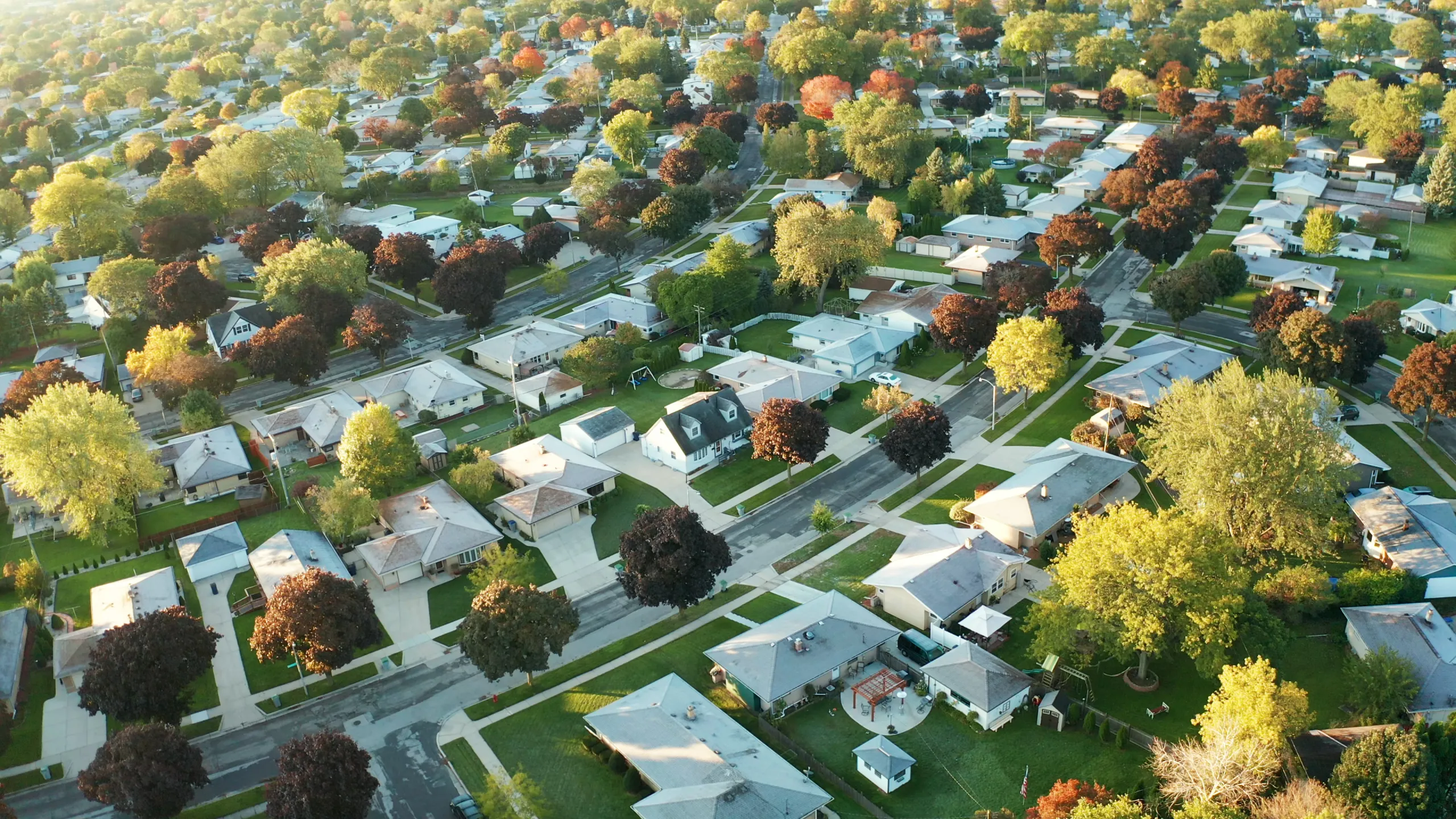
What To Do If HOA Denies Your Driveway Expansion or Resurfacing Request?
What To Do If Your HOA Denies a Driveway Expansion Request
If your HOA rejects your driveway expansion or resurfacing, first read the denial letter closely. HOAs must state a clear rule‑based reason. Compare it with your CC&Rs, Rules, and any design guidelines. Many denials stem from missing details, size limits, setbacks, or surface‑material rules.
- Ask for a meeting: Within a few days, request a short ARC/Board review to clarify what exact change is required to approve.
- Revise and resubmit: Provide drawings, dimensions, drainage notes, and materials. Most HOAs give a timeline (often 30 days) for new decisions.
- Use an appeal process: If available, appeal within the stated window—commonly 10–30 days.
- Check state law: Some states limit aesthetic denials or require decisions within set times; expired deadlines can mean automatic approval.
- Seek mediation: If still unresolved, request neutral mediation before considering legal steps.
No more chasing signatures, emails, or approvals
Automate reminders, deadlines, notices, and follow-ups — reducing manual admin so your board can focus on real community issues.