
hoa-architectural-approval-for-change
HOA Architectural Approval for Tree Removal
Guide to HOA architectural approval for tree removal, steps to get approval fast, avoid violations, and keep your property compliant
Schedule Demo
Reviewed by:

D. Goren
Head of Content
Updated Dec, 6

More Than Just Rules. A Community That Cares.
A single platform where homeowners submit requests, boards review them, and everyone sees the status without confusion or back-and-forth.
Schedule DemoDo You Need HOA Approval For Tree Removal
Do You Need HOA Approval for Tree Removal?
Most HOAs require approval before removing a tree because trees affect appearance, erosion control, drainage, and property values. Check your CC&Rs: some regulate any tree, others only “significant” trees defined by trunk size or species. Approval is usually needed if the tree is visible from common areas or part of a required landscape plan.
- Approval is typically not needed for dead, dangerous, or fallen trees, but HOAs often require quick notice or an arborist’s letter.
- If the HOA delays beyond its stated timeline, many states treat silence as approval, but confirm this in your documents.
- HOAs cannot block removal when a tree poses a verified safety risk.
Common HOA Rules for Tree Removal
Height Restrictions
HOAs often set home or structure height limits to keep views, sunlight, and neighborhood design consistent. These rules usually appear in CC&Rs and apply to additions, sheds, and rooftop items. Most limits rely on local zoning first, meaning HOA rules cannot allow more than the city but can require less. Always check both sets of rules before building.
Tree Species Guidelines
This guideline explains which tree species owners may plant and how the HOA protects shared landscaping. It limits invasive or unsafe species and requires choices that fit community design, safety, and root‑damage concerns. Owners may request alternatives, but approval depends on size, growth habits, water use, and distance from structures.
Maintenance Standards
HOA maintenance standards set the minimum condition your property must remain in to protect neighborhood appearance and home values. They typically cover landscaping, exterior paint, roofs, and visible repairs. If something declines, the HOA can request fixes, but you must be given clear notice, time to comply, and a fair process.
Replacement Requirements
Most HOAs allow replacements but require that changes keep the community’s look consistent. They usually check color, materials, and placement. Rules apply to things like roofs, windows, fences, and exterior lights. Boards can ask for matching styles but cannot block safe or code‑required upgrades.
- Approval first: Many HOAs require a simple request describing the item and its look.
- Same appearance: Replacements often must match the original color or design so homes stay uniform.
- Code overrules: Local safety codes beat HOA rules if there’s a conflict.
Safety and Hazard Considerations
HOAs focus on preventing conditions that create predictable risks. They may require owners to fix hazards like loose railings, dead trees, blocked exits, or exposed wiring. Rules depend on whether the issue threatens people, structures, or shared areas; HOAs must show the danger is real, not speculative.
Common HOA Hazard Checks
- Fire risks: Unsafe grills, overgrown brush, or stored fuels can trigger required corrections.
- Structural issues: Rotting decks or unstable fences may be cited if collapse is possible.
- Trip hazards: Cracked walkways or clutter in shared areas often need prompt repair.
Seasonal Restrictions
Seasonal rules usually guide décor, landscaping, and noise so homes stay orderly while allowing normal celebrations. HOAs may set time limits, sizes, and safety rules, but they must be reasonable, clearly written, and applied evenly.
Common Seasonal Limits
- Decorations: Timeframes for holiday lights; must avoid hazards and excessive brightness.
- Yard care: Rules for leaf cleanup or winterizing plants when neglect affects neighbors.
- Noise: Limits on parties or outdoor tools during peak holiday periods.
From decks and fences to paint and landscaping — we’ve helped hundreds of homeowners navigate architectural approvals smoothly.
Contact Us
Because your community deserves clarity
Structured workflows for ARC requests, violations, appeals, and documents — so every decision follows the same transparent steps.
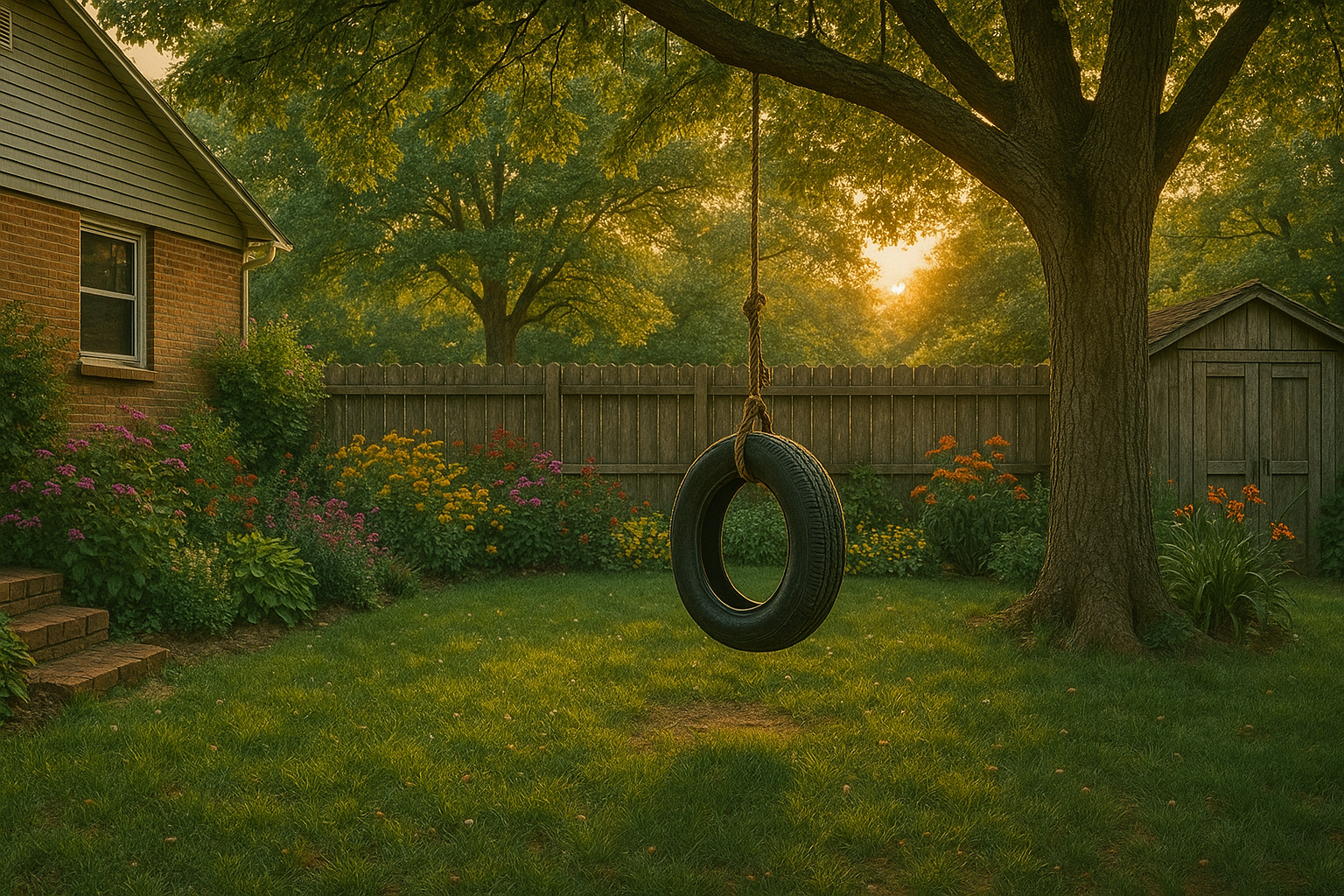
How to Get HOA Approval for Building Tree Removal
How to Get HOA Approval for Tree Removal
Start by reviewing your community’s landscaping section so you know what details the HOA expects. Then prepare a clear request. Include the tree’s location, photos, and a simple reason such as safety, damage, or overgrowth.
- Use the official form: Most HOAs require an architectural or landscape request. Fill in all fields to avoid delays.
- Add supporting details: Mark the tree on your site map and note nearby structures, roots, or hazards.
- Provide contractor info: Add license, insurance, and the planned removal method.
- Show the outcome: Explain ground repair or replacement plantings if required.
Submit through the HOA’s preferred channel and keep copies. Quick replies to follow‑up questions help speed approval.
More Than Just Rules. A Community That Cares.
A single platform where homeowners submit requests, boards review them, and everyone sees the status without confusion or back-and-forth.
What To Include In Your Application for HOA Approval for Tree Removal
Tree Removal Request Form
A form homeowners submit to request permission to remove a tree. It explains the tree’s location, condition, safety issues, and replacement plans. HOAs use it to confirm rules are followed, protect property values, and ensure no protected trees are removed without review.
What it includes
- Tree details: Type, size, exact location.
- Reason for removal: Damage, disease, safety, root issues.
- Proof: Photos or arborist notes if required.
- Replacement plan: New tree type or landscaping.
Detailed Site Plan
A detailed site plan shows the exact layout of your lot and structures. It illustrates property lines, building placement, setbacks, driveways, utilities, drainage, and landscaping. HOAs use it to verify compliance with design rules, while cities use it for permits. It helps prevent disputes by making boundaries and changes clear.
Photos of the Tree
This note explains how tree photos help an HOA assess risk, maintenance needs, and rule compliance. Clear images let the board see location, size, and possible hazards without guessing. Good documentation also protects the homeowner by creating a record of condition and limiting disputes over damage or responsibility.
Justification Letter
A justification letter is a short document that explains the reason, need, or hardship behind a homeowner’s request to the HOA. It helps the board understand context, shows good‑faith effort, and supports exceptions or approvals.
What it typically includes
- Clear purpose: States the request and why it is needed.
- Evidence: Notes photos, reports, or facts supporting the situation.
- Impact: Explains how approval benefits both the owner and community.
From decks and fences to paint and landscaping — we’ve helped hundreds of homeowners navigate architectural approvals smoothly.
Contact Us

How Long HOA Approval Usually Takes For Tree Removal
How Long HOA Approval Usually Takes for Tree Removal
Most HOAs take 7–30 days to approve tree removal. The exact time depends on how your HOA reviews requests. Some allow the property manager to approve simple removals in about a week. Others require the full board or the Architectural Committee to meet, which usually adds time because many boards only meet once a month.
- Emergency removals: Dangerous or fallen trees are often approved within 24–72 hours, but HOAs may ask for photos.
- Protected species: If the city requires its own permit, the HOA often waits for that first, adding extra days.
- Missing info: If your request lacks photos, location, or arborist notes, the review can reset and extend the timeline.
How to Submit HOA Documents Correctly: Avoid These 3 Mistakes
Failing to provide required documentation
Failing to Provide Required Documentation
This happens when a homeowner doesn’t submit papers the HOA needs, like insurance proof or plans for a project. It often slows approvals and can lead to warnings or fines. HOAs use these records to confirm safety and rule compliance, so missing items usually pause the whole request process.
Not following submission guidelines
You didn’t pose an HOA question, so there’s no issue to answer. The only mistake is giving formatting rules without a prompt. To help you, I need a clear HOA topic such as parking, pets, fines, rentals, or disputes. Ask the question you want resolved, and I’ll apply all your guidelines correctly.
Ignoring communication timelines
Ignoring HOA communication timelines happens when deadlines for replies or hearings are missed. This slows dispute resolution and can weaken a homeowner’s position, even when they are right, because the HOA may move forward without their input.
Why it matters
- Missed rights: Deadlines protect your chance to contest fines or provide proof.
- HOA moves on: Boards may issue decisions if no reply arrives.
- Fix by asking: Request extensions in writing when needed.
What To Do If HOA Denies Your Tree Removal Request?
What To Do If Your HOA Denies Your Tree‑Removal Request
If your HOA rejects your request, start by asking for the written reason for denial. This helps you see if the board followed its own rules. HOAs must base decisions on the CC&Rs, not personal preference.
- Check your state’s tree laws: Many states allow removal if the tree is dead, hazardous, or damaging structures. Get a dated arborist report; boards rarely ignore certified safety findings.
- Use your appeal window: Most HOAs give 10–30 days to request a hearing. Ask for it in writing and bring photos, reports, and repair estimates.
- Suggest conditions: Offer to plant a replacement or choose a less visible species. Showing flexibility often speeds approval.
- If no progress: Use mediation or a neutral compliance review. These are faster and cheaper than legal steps.
If the tree is an immediate safety risk, notify the board in writing and request action within a firm but reasonable time, such as 7–14 days.
No more chasing signatures, emails, or approvals
Automate reminders, deadlines, notices, and follow-ups — reducing manual admin so your board can focus on real community issues.